
Schedule at a Glance*
All times below listed in Eastern time. Presentation topics and speakers subject to change.
Wednesday, March 25 (Day 1 - Pre-Conference and Conference)
Pre-conference (11AM-1PM Eastern)
- From Active Listening to Resonance Listening: A Buberian Approach to Mediating Deep Family Conflicts with Jay Rothman
- Nonviolent Communication in Mediation: A Path to Trust, Connection, and Integration with Nora Heiber
- From Doing to Understanding: Reflective Practice for Continuous Growth with Laurie Amaya, Beibhinn Byrne, Nancy Radford, Hansa Patel, Tracey-Leigh Wessels & Moderator Michael Lang
Conference
- 1:00PM-1:30PM: Break
- 1:30PM-2:00PM: Opening Plenary
- 2:00PM-3:30 PM:
- A1: Neuroscience in Mediation with Robyn Weisman
- A2: Voices from the mediation room: Insights from a court-referred parenting plan programme in South Africa with Monique Carels
- 3:30PM-4:00PM: Break
- 4:00PM-5:30PM: B: AI in Mediation with Clare Fowler
- 5:30PM-5:45PM: Day 1 Closing
Thursday, March 26 (Day 2 - Conference)
- 10:45AM-11:30AM: S1: (Presenting Sponsor) Behind the Breath: Ensuring Accountability and Integrity in Remote Alcohol Monitoring with Kevin Dorsey, SOBERLINK
- 11:30AM-11:45AM: Break
- 11:45AM-12:00PM: Welcome
- 12:00PM-12:50PM: Keynote: The Empathy Gap with Ashok Bhattacharya
- 12:50-1:00PM: Break
- 1:00PM-2:30PM:
- C1: Keynote Mediator Lounge Open for Networking hosted by Ashok Battacharya, Keynote Speaker
- C2: Human-Centered Innovation: How Technology Can Elevate Empathy and Equity for a Successful Mediation Practice with Kristyn Carmichael & Amanda Singer
- 2:30PM-3:00PM: Break
- 3:00PM-4:30PM:
- E1: How Stress Hijacks Mediation and What You Can Do About It with Ben Stich
- E2: Beyond the Balance Sheet: The Human Impact of Financial Conflict with Jen Lee
- 4:30PM-5:00PM: Day 2 Closing
Friday, March 27 (Day 3 - Conference)
- 10:45AM-11:30AM: S2: (Presenting Sponsor) Steering the Ship: Proactive Case Management Strategies for Mediators with Paula M. Lawhon, Lawhon Law & Mediation, P.C.
- 11:30AM-11:45AM: Break
- 11:45AM-12:00PM: Welcome
- 12:00PM-1:30PM: F: Learning Together in Real Time: A Collaborative Mediation Experiment with Joanna Teanini Roth
- 1:30PM-3:00PM:
- G1: Mediator Lounge Open for Networking hosted by Gillian Brady, Finding Common Ground Mediation and Law Services
- G2: Implications of Technology and Social Media for Domestic Violence and Family Court Cases with Steven Bradley
- 3:00PM-3:30PM: Break
- 3:30PM-5:00PM:
- H1: The Art of Looping: Practicing the Human Element for Understanding, Empathy, and Equity to Sustain the Future of Mediation Practice with Hansa Patel & Laurie Amaya
- H2: Orders, Terms, and Practices That Can Sink Your Client's Equity with Bridget Potterton
- 5:00PM-5:15PM: Conference Closing
- 5:30PM-7:00PM: Post-conference Networking Lounge
*Schedule subject to change
Pre-Conference
Wednesday, March 25, 11:00am-1:00pm Eastern (8:00am-10:00am Pacific)
From Active Listening to Resonance Listening: A Buberian Approach to Mediating Deep Family Conflicts
Presented by Jay Rothman
What happens when families become so entrenched in conflict that even skilled active listening falls short? What happens when positions harden and genuine connection seems impossible?
This workshop introduces "Resonance Listening"—a practice grounded in Martin Buber's philosophy of authentic encounter that moves beyond traditional mediation techniques to access the passionate core of family disputes.
Most mediators are trained in active listening: reflecting, paraphrasing, validating. These skills matter. In deep family conflicts of estrangements, inheritance battles, and caregiving disputes, something more is required. Families trapped in "I-It" dynamics treat each other's beliefs as objects to attack or defend. Genuine meeting in the space of "I-Thou" becomes impossible.
Resonance Listening can help transform these dynamics through a deceptively simple set of questions: "Why do I/you/we care so much?"
These questions, asked at the right time and in the right way, cut through positions and delve into what drives our deepest concerns. This invites a reflexive turn—not just understanding another's perspective, but also discovering how an authentic encounter changes our understanding of ourselves.
Participants will explore how to facilitate this shift, from argument to dialogue, from position-taking to presence, from transactional exchange to genuine meeting.
Bring your toughest cases. Leave with a new approach to mediating the most challenging conflicts.
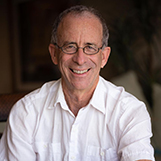
Dr. Jay Rothman is an international mediator, facilitator, and author who founded the ARIA Group (www.ariagroup.com), an organization dedicated to creative conflict engagement and peacebuilding. His most significant contribution is the ARIA model (Antagonism, Resonance, Invention, and Action), a framework for transforming identity-based conflicts through trust-building and collaborative action.
The model was detailed in his influential book Resolving Identity-Based Conflict in Nations, Organizations and Communities (1997) and has been successfully implemented worldwide. Dr. Rothman's approach emphasizes reframing, reflexive dialogue and integrative intervention to move beyond polarization. His edited book (2012), From Identity-based Conflict to Identity-Based Cooperation illustrates how ARIA has been applied around the world by Rothman with colleagues and students.
His notable conflict resolution initiatives include the Cincinnati Police-Community Relations Collaborative, where he led a year-long dialogue process with 3,500 participants to address police racial profiling. He has also facilitated peace initiatives between Israeli and Palestinian leaders, mediated environmental disputes in New England's fishing industry, and trained former ANC diplomats in South Africa.
Currently, Dr. Rothman is returning to an early passion: supporting families to engage their differences creatively and forge more relational intelligence. He provides conflict coaching and runs collaborative visioning retreats at the ARIA House Gathering Space in Yellow Springs, Ohio.
Beyond his own practice, Dr. Rothman is teaching and training others to understand and adapt the ARIA frameworks and methods for their own work.
Nonviolent Communication in Mediation: A Path to Trust, Connection, and Integration
Presented by Nora Heiber
In this 2-hour workshop, participants will learn how to apply the powerful tool of Nonviolent Communication (NVC) in mediation to foster trust, build genuine connection, and advocate for the needs of all parties. This introductory workshop will equip mediators with strategies to support resolution through mutual understanding and integration, rather than through compromise. The workshop will be interactive and provide opportunities for participant practice, including role plays.
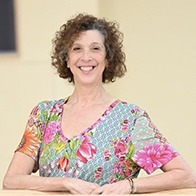
Following a career as a professional ballet dancer, Nora Heiber served for over 25 years as a Senior Negotiator for the American Guild of Musical Artists. Her work was guided by a desire to blend compassion and kindness with power and influence—bringing a non-adversarial, empathy-based approach to negotiating collective bargaining agreements for performing artists.
Early in her relationship with her husband, Cliff, he introduced her to Nonviolent Communication (NVC) by Marshall Rosenberg as a foundation for their partnership. Nora immediately recognized it as the conflict-resolution framework she had long been seeking. Not long after, they connected with CNVC Certified Trainer Aya Caspi and together founded Reclaiming Life, an initiative offering NVC training to individuals and groups worldwide.
In 2023, Nora became a certified mediator through the Conflict Resolution Center of Nevada County, where she now serves as a board member and volunteers in their court mediation program. She also continues to offer private mediation services, workshops, and trainings to individuals, couples, and groups through her own practice, Allsgood Mediation.
In addition, Nora and Cliff combined their skills, interests, and experience to create Intentionally Wild, Inc., dedicated to hosting workshops and personal retreats focused on life-affirming learning. These offerings include NVC, GYROTONIC® (Nora is a Gyrotonic Master Trainer), permaculture design, nutrition, dance, and yoga, all held on their 20-acre property in the Sierra Foothills. The name Intentionally Wild reflects their commitment to honoring and affirming the natural flow of life.
From Doing to Understanding: Reflective Practice for Continuous Growth
Moderated by Michael Lang
Panelists: Laurie Amaya, Beibhinn Byrne, Nancy Radford, Hansa Patel and Tracey-Leigh Wessels
As a practical process, family mediation emphasizes the key objectives of producing workable and durable solutions to presented problems. As mediators, we often find ourselves attending to the mechanics of the process and to the parties’ needs for answers. In that effort, we may overlook the humanity of the parties (their individuality) and our own. Strengthening our connection to the human element is key to strengthening our abilities and nurturing parties to find effective solutions. Reflective Debrief helps mediators find solutions to puzzling practice situations, such as balancing, being efficient, and maintaining equity and empathy.
Our program will introduce Reflective Practice as a vital tool for current and future mediators. Through brief presentations, the panelists will explain and demonstrate Reflective Debrief as a process for encouraging mediator excellence. This will be an interactive presentation with ample opportunities for audience questions and comments.
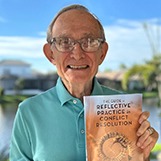
Michael Lang (Moderator):
For nearly 50 years Michael Lang has mediated family, workplace and organizational disputes.
Michael created one of the first graduate programs in conflict resolution in the US at Antioch University in 1992 and served in a similar role at Royal Roads University in Victoria, BC.
In addition to numerous published articles, Michael authored The Practitioners Guide to Reflective Practice in Conflict Resolution (2019). A revised second edition was published in 2024. Michael co-authored The Making of a Mediator: Developing Artistry in Practice, (2000).
With Susanne Terry, he founded and is co-director of The Reflective Practice Institute International. Currently, graduates of the Institute’s certificate course are leading 8 reflective practice groups, with approximately 75 participants from England, Ireland, Scotland, South Africa, Switzerland, Ukraine, and US.
Michael received the John Haynes Distinguished Mediator Award from ACR in 2012 and was named Outstanding Professional Family Mediator for 2020 by the Academy of Professional Family Mediators.
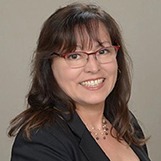
Laurie Amaya is a family law mediator, consulting attorney, and collaborative attorney dedicated to helping clients resolve divorce and family law matters outside the courtroom. After many years as a litigator, she transformed her practice to focus exclusively on peaceful and client-driven conflict resolution. Laurie has successfully mediated hundreds of cases involving issues such as divorce and domestic partnership dissolution, legal separation, property division, and parenting arrangements, working with clients to help them find solutions that meet their unique needs.
Laurie is a Certified Advanced Practitioner and Senior Mediator with the Academy of Professional Family Mediators (APFM), as well as a Mediate.com Certified Senior Mediator. She has extensive training in mediation and conflict resolution, including the Understanding-Based Model through the Center for Understanding in Conflict, the Reflective Practice method of case consultation, and years of advanced study with Forrest “Woody” Mosten.
Laurie earned her B.A. from the University of California, Santa Cruz in 1988 and her Juris Doctor from Southwestern University in 1993. She has been licensed to practice law in California since 1993 and in Arizona since 1994. Her office is located in Pasadena, California.
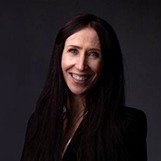
Beibhinn Byrne is an Irish, Advanced Mediator and Reflective Practice and Debrief Leader. I am a specialist in facilitative family mediation and currently work full time for the Legal Aid Board's Mediation Service in Dublin, Ireland. I have a background in communications and media and have always been interested in dialogue, the art of listening and paying attention. The active experience of consciously examining our own awareness and helping others discover theirs, especially through a lens of peacemaking in difficult situations, is a continual privilege. What do we notice and not notice? What are our assumptions and blindspots? How do we listen to ourselves listening? How do we show up for ourselves and for others and explore better ways to think, communicate and operate. I believe mediation is an exemplary discipline for a better paradigm of living in, experiencing and shaping the world. It reaches out for the other, and goes beyond ourselves and facilitation. The mediator's spirit and role is a continual exploration of curiosity, respect and presence.
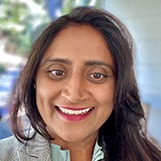
Hansa Patel is an attorney, mediator, and teacher. As an attorney, Hansa zealously advocated for abused and neglected children or defended their parents’ rights in the San Francisco juvenile dependency court for fourteen years. Hansa is passionate about serving the underprivileged community. Feeling depleted by the court system, Hansa explored new ways to empower her clients to resolve conflict. Mediation empowers Hansa’s clients to choose how they want to engage with conflict, co-create resolutions, and even transform a relationship. In the USA, Canada, and Africa, Hansa teaches mediation, including integrating mindfulness skills into conflict resolution. Hansa wants her clients to have the same tools she cultivates in her children: a mindful approach to resolving challenges in life.
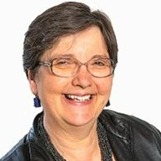
Nancy Radford is accredited for Civil & Commercial, Workplace & Employment, Special Educational Needs, Community and Restorative Justice mediations. Her additional qualifications include business coaching, personal coaching and further education teaching. Nancy also provides expert, affordable help with personality clashes, awkward customers, director disagreements, problem staff and family business disputes through conflict management training and coaching.
She specializes in conflict in family businesses, charities, local government, schools and social enterprises.She is the author of Conflict First Aid: How to Stop Personality Clashes and Disputes from Damaging You or Your Organization. Before specializing in conflict resolution, Nancy was a director in a successful family business, and worked as a midwife, manager, consultant and trainer in public, private & third sector.
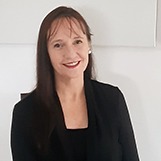
Tracey-Leigh Wessels is a South African-based family law attorney and accredited family and divorce mediator. She has practised as both an attorney and a family and divorce mediator since 1996. Following the introduction of the Children’s Act into South African law, Tracey-Leigh transformed the family law side of her practice in 2010 into a bespoke family and divorce mediation practice, while retaining a smaller, legally focused component of her practice to continue providing services in the specialised field of surrogacy and reproductive law.
Tracey-Leigh holds an LLB, an LLM, and an interdisciplinary Master’s degree in Family Law and Social Work. She has a particular interest in the use of mediation to resolve family disputes and her work is grounded in the belief that mediation offers families a dignified and child-centred way to manage conflict. She is currently exploring the use of alternative dispute resolution in surrogacy and reproductive law disputes involving donors, surrogates, and intended parents.
Tracey-Leigh has been part of an international reflective practice group led by Michael Lang since 2018 and is a member of the Reflective Practice International Institute.
Conference
Wednesday, March 25, 2:00-3:30 pm Eastern (11:00am -12:30pm Pacific)
Session A1: Neuroscience in Mediation
Presented by Robyn Weisman
Neuroscience has become a powerful tool for mediators and attorneys seeking to understand how people experience conflict, make decisions, and regulate emotions. In this workshop, we will discuss how neuroscience matters with regards to family conflict in mediation and negotiation. Mediation is not just about issues but also about how brains function in conflict. With the help of neuroscience, we will explore how to recognize stress and threat reactions, regulate emotions, and facilitate better decision-making. How can we shift quick and emotional judgments to rational and deliberate decision-making? How can mediators regulate the emotional conflict within our clients and ourselves by considering the functioning of our bodies, and how can we "calm the brain," build empathy and trust, and foster durable agreements?
Robyn Weisman, Esq. is an experienced attorney whose work bridges law and conflict resolution. With a career spanning litigation, family mediation, arbitration, and academic teaching, she brings an interdisciplinary perspective to understanding how the brain shapes decision-making and conflict dynamics.
She began her legal career running a New York practice focused on litigating personal injury and medical malpractice cases. For the past ten years, she has served as Director of a Divorce Mediation Center handling uncontested divorce matters.
Ms. Weisman has extensive court-appointed experience, having served as a mediator for Family Court and currently for the Supreme Court in Queens, Kings, and Richmond Counties. She also conducts mediations for the New York State Appellate Division, Second Department, addressing appeals. In addition, she serves as a FINRA arbitrator for employment and securities cases and as a Master Arbitrator for the New York State Insurance Department through the American Arbitration Association.
An educator at heart, she has taught in multiple Paralegal Studies programs and trained others in mediation, negotiation, and dispute resolution. She has also judged numerous law school competitions in trial advocacy, negotiation, and medical negligence.
Ms. Weisman earned her LLM in Dispute Resolution from the University of Missouri School of Law. Her research includes cultural fluency in family law, neuroscience and mediation, performing arts in conflict resolution, online mediation and AI ethics, preparing a divorce mediator’s handbook, and a mediation system design for medical malpractice cases. She frequently presents on cultural issues in ADR and strategies for breaking negotiation impasse.
Session A2: Voices from the mediation room: Insights from a court-referred parenting plan programme in South Africa
Presented by Monique Carels
This presentation offers an in-depth exploration of selected findings from my Ph.D. study, which examines the role and effectiveness of the For The Children’s Sake court-referred mediation programme at the Children’s Court in Wynberg, Western Cape (South Africa). The study investigates how this mediation model supports parents in developing sustainable parenting plans while simultaneously seeking to reduce entrenched family conflict in high-stress separation and divorce contexts. Using a qualitative research design, the study draws on rich interview data collected from mediators, parents, and magistrates who engage directly with the programme. These firsthand perspectives provide critical insight into the lived experiences of court-connected mediation participants, including the challenges, transformative potential, and impact on families' emotional and relational dynamics. The presentation will highlight emerging themes from the interviews, including perceptions of mediator neutrality, the effectiveness of structured interventions, the complexities of parental cooperation, and the extent to which children’s well-being is meaningfully advanced through the process. By foregrounding the voices of key participants, the session offers a nuanced reflection on how mediation can function as a powerful tool within the family justice system, particularly when designed to protect children, empower parents, and promote long-term conflict resolution.
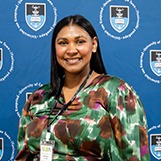
Monique Carels is a lecturer in the Department of Commercial Law in the Faculty of Law at the University of Cape Town (UCT), where she teaches dispute resolution subjects to both final-year undergraduate law students and Master’s students. Her academic and professional expertise lies in the field of Dispute Resolution, with a specific focus on negotiation and mediation theory, practice, and pedagogy.
Monique completed her LLB at the University of the Western Cape (UWC) in 2012. She went on to obtain two Master of Laws degrees: an LLM in Dispute Resolution from the University of Missouri in the United States in 2014, followed by an LLM in Labour Law from UWC in 2015. She is currently pursuing her PhD at UCT. Her doctoral research examines the impact and effectiveness of family mediation in South Africa, with particular attention to court-referred mediation processes and the development of sustainable parenting plans.
In addition to her academic work, Monique has extensive practical experience as a trained commercial and family mediator, having worked closely with families and children in conflict. She also serves as an Executive Committee (EXCO) member of the Social Justice Foundation NPO, contributing to initiatives aimed at promoting equitable access to justice and strengthening community-based dispute resolution mechanisms.
Wednesday, March 25, 4:00pm-5:30pm Eastern (1:00pm-2:30 pm Pacific)
Session B: AI in Mediation
Presented by Clare Fowler
This session will explore 7 different AI tools that mediators can add to their practices. We will discuss concerns and safeguards to add them safely, and tips for using them effectively.
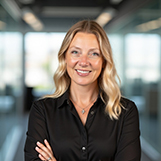
Dr. Clare Fowler
Executive Vice-President of ODR.com
International Woman of Peace Award, 2024
Author of Rising Above Office Conflict: the light-hearted guide for the heavy-hearted employee
Dr. Clare Fowler received her Doctorate on designing dispute resolution systems for small businesses from Pepperdine University Graduate School of Education/Organizational Leadership and her Master’s of Dispute Resolution from the Straus Institute for Dispute Resolution at the Pepperdine University School of Law. Dr. Fowler also works as Managing Editor and with Caseload Manager at Mediate.com. She teaches at Pepperdine Straus Dispute Resolution Department and University of Oregon. Clare mediates and trains, focusing on workplace disputes. Dr. Fowler’s dissertation was a phenomenological study of Workplace disputes. Her 2023 book, Rising Above Office Conflict, is a guidebook for HR directors dealing with high conflict behaviors. Her motto for the dispute resolution field? Rising Tides Raise All Boats.
Thursday, March 26, 10:45am-11:30am Eastern (7:45am-8:30am Pacific)
Sponsor S1: Behind the Breath: Ensuring Accountability and Integrity in Remote Alcohol Monitoring
Presented by Kevin Dorsey
This course explores the evolving role of remote alcohol monitoring in family law, with a focus on promoting child safety, ensuring accountability, and supporting recovery. Using real-world examples and evidence-based practices, we’ll examine how courts and professionals can leverage technology to reduce conflict and enhance transparency in high-conflict custody cases involving alcohol use concerns.

Kevin Dorsey, Manager of Family Law Business Development at SOBERLINK
Kevin has spent the past decade educating judges, attorneys, mediators, and mental health practitioners on the tools that can be utilized to improve outcomes in family law cases. He is an in-demand speaker and travels the country attending dozens of continuing legal education conferences and seminars each year. He is a past president of Texas AFCC and currently serves on the Texas AFCC board as well as the Louisiana AFCC board. Kevin graduated from the University of Denver receiving a BA in Music and Political Science.
Thursday, March 26, 12:00pm-12:50pm (9:00am-9:50am Pacific)
Keynote: The Empathy Gap
Presented by Dr. Ashok Bhattacharya
The purpose of empathy is to deepen connections by understanding and appreciating the thoughts and feelings of another from their point of view.
When we are attempting to empathize with two people at the same time, it’s more complex.
If those two people are adversarial and sitting in front of a mediator, it’s likely that one or both of them will believe the mediator is taking sides.
Empathy doesn’t take sides; it searches to understand.
We will define and describe the use of empathy in conflict situations to help close the empathy gap for your clients and for yourself. Empathy bridges the gap.
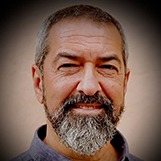
Dr. Ashok Bhattacharya is a psychiatrist in private practice for 40 years. He is the founder of THE EMPATHY CLINIC. The clinic uses empathy to diagnose, and treat a variety of mental health disorders in individuals and couples. The clinic’s emphasis is on empathy, balance, integration of the spirit and soul, and the pursuit of optimal wellness. He also specializes in the treatment of Post Traumatic Stress Disorder.
Dr. Bhattacharya has presented at conferences around the world on the topics of Empathy and Burnout in physicians.
He is a musician, author, artist, and works out six days a week.
Publications:
Cake A Guide to Reciprocal Empathy or Couples (2006)
Deep Fried Nerves (2016)
https://www.empathyclinic.com/
https://www.linkedin.com/in/ashok-bhattacharya-687a6211/
https://www.youtube.com/channel/UCPRzM30XZ8uscgGEx1wnEtQ
Thursday, March 26, 1:00pm-2:30pm (10:00am-11:30am Pacific)
Session C1: Keynote Mediator Lounge
Hosted by Dr. Ashok Bhattacharya
Looking to expand your professional circle? The Mediator Lounge will be open following the keynote, offering a space to connect, discuss challenges, and exchange ideas with fellow mediators. Dr. Bhattacharya will also remain after his session to answer questions and continue the conversation in a more informal setting.
Session C2: Human-Centered Innovation: How Technology Can Elevate Empathy and Equity for a Successful Mediation Practice
Presented by Kristyn Carmichael and Amanda Singer
As mediators, our work sits at the intersection of people, systems, and conflict. Yet, behind the scenes, we are often overwhelmed by administrative tasks—answering phones, coordinating calendars, managing client intake, and chasing follow-ups. These burdens limit our capacity to focus on what really matters— connecting with our clients, holding space for humanity, and fostering equitable resolutions.
This session will be facilitated by two successful mediators and business owners who have implemented and used technology to elevate their practices, which has allowed them to focus fully on their clients' experiences.
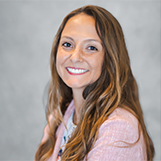
Kristyn Carmichael is a licensed Arizona attorney, Certified Divorce Financial Analyst (CDFA©), and professional family mediator based out of Phoenix, Arizona. As the founder of Couples Solutions Center, Kristyn assists her clients during their divorce and premarital cases, helping clients find mutually beneficial solutions outside of court. When she is not working with couples and families, Kristyn acts as the Training Director at the Lodestar Center for Dispute Resolution at the Sandra Day O'Connor College of Law at Arizona State University. Her focus is to create and implement trainings to spread awareness of dispute resolution skills, such as negotiation, mediation, conflict de-escalation, communication skills, and advocacy. In addition, she teaches family law as an adjunct professor.
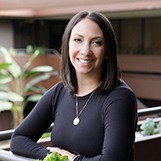
Amanda D. Singer, Esq., MDR, CDFA® is a professional family mediator and founder of West Coast Family Mediation which she has been running since 2015. She is a California licensed attorney and Certified Divorce Financial Analyst. Amanda leads West Coast Family Mediation’s team of mediators working with clients all throughout California to help families improve communication, solve problems and reach agreements while staying out of court. In addition to divorce mediation, Amanda has a focus and interest on premarital mediation. She was the past Vice President of the Academy of Professional Family Mediators and was the awardee of the 2022 APFM Outstanding Professional Family Mediator Award. Amanda lives in San Diego with her husband, 2-year-old daughter and rescue dog. They enjoy hiking, cooking and traveling.
Thursday, March 26, 3:00pm-4:30pm (12:00pm-1:30pm Pacific)
Session E1: How Stress Hijacks Mediation and What You Can Do About It
Presented by Ben Stich
In the mediation process, people are often asked to engage their most thoughtful, collaborative selves, right at the time when they are under the most pressure. Stress can quietly erode the very abilities that mediation depends on, like perspective-taking, flexible thinking, and emotional regulation.
This workshop will draw from neuroscience and the evidence-based Collaborative Problem Solving® model to offer insights and practical strategies for supporting clients through the emotional intensity of conflict. Participants will leave with concrete tools to help clients stay engaged, grounded, and open to progress—even in the heat of mediation.
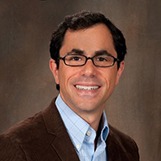
Ben Stich is a social worker turned divorce, co-parenting, and family mediator with a deep passion for helping families navigate conflict collaboratively. His journey in alternative dispute resolution began in 2009 with a life-changing mediation training, which inspired him to establish Mediation and Family Services in 2014. Since then, Ben has successfully mediated hundreds of divorces and family disputes, empowering families to make their own decisions while minimizing time, cost, and emotional stress.
Specializing in higher-conflict separation and divorce, families with children who have special needs, and intra-family mediation, Ben is committed to fostering sustainable solutions tailored to each family’s unique dynamics. His expertise extends beyond mediation: he is a Collaborative Divorce Coach, a former instructor for William James College’s High Conflict Co-Parenting Program, and a Collaborative Problem Solving® trainer with MGH Psychiatry’s Think:Kids program. Additionally, Ben is a Board Member of the Massachusetts Council on Family Mediation.
Ben also shares his insights and guidance through his blog at www.benstich.com, offering resources and support for families seeking a better way to resolve conflict.
Session E2: Beyond the Balance Sheet: The Human Impact of Financial Conflict
Presented by Jen Lee
Money is one of the most emotionally charged issues that shows up in mediation, yet the real conflict is rarely about dollars; it is about fear, identity, stability, and the stories people carry about what financial security means. This workshop will explore how mediators can approach these conversations with insight and empathy, uncovering what clients are truly trying to protect.
This session will offer practical frameworks for navigating difficult discussions about money, recognizing signs of hidden debt or bankruptcy concerns, and understanding how financial stress can shape behavior in mediation. We will also explore how to guide parties toward agreements that are not only fair today but durable and sustainable long into the future.
Participants will gain tools to manage financial tension more effectively, reduce miscommunication, and support clients in reaching outcomes that reflect both their practical needs and their human experience.
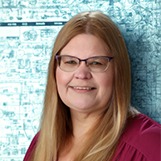
Jen Lee is a debt and credit attorney, entrepreneur, and unapologetic superhero for lawyers. As the founder of Lawyer Success Network®, she helps legal professionals redesign their practices for sustainability, profitability, and impact without burning out. With over 15 years of experience in consumer bankruptcy and credit strategy, Jen brings humor, clarity, and practical tools to every training. She’s a sought-after speaker on bankruptcy, client experience, and law firm innovation, known for making complex topics accessible and actionable. When she’s not advocating for fresh starts, she enjoys spending time with her 2 daughters and various rescue animals.
Friday, March 27, 10:45am-11:30am (7:45am-8:30am Pacific)
Sponsor S2: Steering the Ship: Proactive Case Management Strategies for Mediators
Presented by Paula M. Lawhon
Mediators are expertly trained in communication, neutrality, and interest-based negotiations. However, we are rarely taught how to effectively manage the follow-up work and critical logistical steps that keep a case moving toward the finish line.
In family law, this "management gap" can be the deciding factor between a successful mediation and a client feeling lost at sea. This presentation moves beyond the negotiation table to focus on the proactive strategies mediators need to steer even the most complex disputes toward an efficient resolution.
Key Takeaways:
- Bridging the Gap: Transitioning from "just a neutral" to a proactive case manager.
- Creating Calm: Practical frameworks to organize chaos and manage client expectations.
- The Mediator’s Roadmap: Mastering the follow-up steps that prevent cases from stalling.
- Efficient Outcomes: Reducing the "time-to-resolution" for all participants.

Paula M. Lawhon is a Full-Time Private Mediator and Certified Specialist in Family Law, providing confidential mediation services to diverse and varied clients. She has served as a Bench Bar Settlement Panelist for the Marin Family Court, Settlement Conference Master for the San Francisco Unified Family Law Courts, and provides private mediation services outside of court.
Paula has practiced law for 24 years and has been mediating for 20 years. Prior to and during law school, Paula worked as a civil and criminal defense investigator. Paula started Lawhon Law & Mediation, P.C. in San Francisco in 2005.
Paula was admitted to the California bar in December 1999. She received her law degree from the University of California, Hastings College of the Law in 1999, graduating as a Public Interest Scholar and with a Public Interest Concentration. She received her Bachelor's degree in Criminology, Law and Society from the School of Social Ecology at the University of California, Irvine in 1996, graduating cum laude and phi beta kappa.
Friday, March 27, 12:00pm-1:30pm (9:00am-10:30am Pacific)
Session F: Learning Together in Real Time: A Collaborative Mediation Experiment
Presented by Joanna Teanini Roth
As mediators, we negotiate amidst disparate perspectives, manage power differences, provide structure to an amorphous set of tasks and choices, and struggle to ease the path for couples facing uncertain futures and certain losses. We rely on our judgments, values, observations, and senses to manage these complex tasks.
This workshop permits us a view into two role plays to create two different moments in mediation. We will use the role-plays to develop a series of observations, and empathetically imagine our way into the joint and separate worlds of the players. By using our minds collectively, we have access to a wider variety and deeper set of observations and imaginations; this is the essence of mediation.
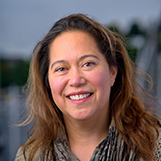
Joanna Teanini Roth, JD, is a divorce mediator in Seattle. She established a Balint consultation group for collaborative professionals in 2017, to deepen professionals’ individual and joint capacities to creatively empathize with clients. She began to co-lead the group in 2020, and is certified through the American Balint Society as a group leader. She also leads a monthly discussion group of collaborative and mediation professionals, with the aim of providing a place for new and experienced professionals to learn from each other through discussing a wide variety of topics. Joanna has served on more committees, sections and boards than she cares to remember. When not working, she is leading group fitness classes and dancing hula. She eats her weight in chocolate each year, and believes it is not possible to have too much fabric.
Friday, March 27, 1:30pm-3:00pm (10:30am-12:00pm Pacific)
Session G1: Mediator Lounge
Hosted by Gillian Brady, Finding Common Ground Mediation and Law Services
Looking to expand your professional circle? The Mediator Lounge will be open, offering a space to connect, discuss challenges, and exchange ideas with fellow mediators.
Session G2: Implications of Technology and Social Media for Domestic Violence and Family Court Cases
Presented by Steven Bradley
This interactive workshop will explore the implications of technology in Domestic Violence and Family Court cases. Professionals will learn how batterers use phone technology, social networking and GPS to circumvent injunctions for protection, supervised visitation and child custody. Legal and Mental Health Practitioners will explore how victims of domestic violence can overcome communication issues using mobile and online communication tools, such as the OurFamilyWizard website, designed specifically for high conflict parents.

Steven Bradley brings a distinguished career in law enforcement with a specialization in investigating crimes against persons, including sexual assault, child abuse, domestic violence, human trafficking, and crimes against the elderly. His expertise led to a prestigious recruitment by the FBI, where he graduated with honors from the FBI Academy and served in a critical role investigating cyber-enabled crimes—ranging from cyberstalking and network intrusions to financial exploitation and the apprehension of child predators.
Steven later turned his focus toward strengthening collaboration between law enforcement and community-based victim advocacy organizations. Working closely with national and state domestic violence and sexual assault coalitions, he led trainings on offender accountability, trauma-informed investigative practices, and multidisciplinary partnerships to improve outcomes for survivors.
Currently, Steven serves on the professional team at OurFamilyWizard, where he champions healthy, technology-assisted communication between co-parents navigating separation and divorce. He is internationally recognized for his leadership on the intersection of technology and abuse, and is a sought-after expert on topics including stalking, cyberstalking, digital forensics, and law enforcement’s role in addressing intimate partner violence.
A seasoned international trainer with more than 28 years of experience, Steven is known for delivering real-world, practical education to legal professionals, judges, law enforcement, and mental health practitioners around the globe. He is also proud to be an Amazon Best-Selling Author, contributing his expertise to the critically acclaimed book Divorce Amicably, which highlights innovative approaches to supporting families in conflict through technology and legal collaboration.
Friday, March 27, 3:30pm-5:00pm (12:30pm-2:00pm Pacific)
Session H1: The Art of Looping: Practicing the Human Element for Understanding, Empathy, and Equity to Sustain the Future of Mediation Practice
Presented by Laurie Amaya and Hansel Patel
In this session, we will share how the skill of “looping for understanding” can strengthen empathy, support equity, and bring more of the human element into our mediation practice. Looping is a core element of the Understanding-Based Model of conflict resolution, and we have seen repeatedly how it helps people in conflict feel heard in a way that is deeper than merely reaching agreement. Looping builds trust, opens connection, and makes way for resolution even when disputants feel stuck.
We will look at how looping offers a practical way to engage empathy in a way that is not just about being kind or calm but about helping people experience that their perspectives and emotions truly matter. We will also explore how looping supports equity by helping each party express themselves in their own voice and on their own terms, rather than through the filters of legal or professional framing. In our experience, this kind of authentic engagement is essential for helping people move from positions into shared understanding. We will provide a demonstration and practice one-on-one interactions within this model.
Laurie Amaya is a family law mediator, consulting attorney, and collaborative attorney dedicated to helping clients resolve divorce and family law matters outside the courtroom. After many years as a litigator, she transformed her practice to focus exclusively on peaceful and client-driven conflict resolution. Laurie has successfully mediated hundreds of cases involving issues such as divorce and domestic partnership dissolution, legal separation, property division, and parenting arrangements, working with clients to help them find solutions that meet their unique needs.
Laurie is a Certified Advanced Practitioner and Senior Mediator with the Academy of Professional Family Mediators (APFM), as well as a Mediate.com Certified Senior Mediator. She has extensive training in mediation and conflict resolution, including the Understanding-Based Model through the Center for Understanding in Conflict, the Reflective Practice method of case consultation, and years of advanced study with Forrest “Woody” Mosten.
Laurie earned her B.A. from the University of California, Santa Cruz in 1988 and her Juris Doctor from Southwestern University in 1993. She has been licensed to practice law in California since 1993 and in Arizona since 1994. Her office is located in Pasadena, California.
Hansa Patel is an attorney, mediator, and teacher. As an attorney, Hansa zealously advocated for abused and neglected children or defended their parents’ rights in the San Francisco juvenile dependency court for fourteen years. Hansa is passionate about serving the underprivileged community. Feeling depleted by the court system, Hansa explored new ways to empower her clients to resolve conflict. Mediation empowers Hansa’s clients to choose how they want to engage with conflict, co-create resolutions, and even transform a relationship. In the USA, Canada, and Africa, Hansa teaches mediation, including integrating mindfulness skills into conflict resolution. Hansa wants her clients to have the same tools she cultivates in her children: a mindful approach to resolving challenges in life.
Session H2: Orders, Terms, and Practices That Can Sink Your Client's Equity
Presented by Bridget Potterton
A lot has changed in real estate over the past 12-18 months and I’m seeing many divorce cases getting caught in the crosshairs of this shifting market. The year 2026 has quite a bit in store for property owners, and this workshop will bring you up to speed and get you ahead of the curve. Here is what we will cover:
* The state of the current real estate market and its effects on your practice.
* The most common mistakes family law attorneys make that impact equity.
* The most egregious areas of waste, such as days on market, property condition, and list price.
* What you need to know before appointing a real estate expert in your case.

Bridget Potterton is a top producing real estate broker in San Diego, CA with 23 years of real estate experience. She has a specialized background as a Certified Divorce Real Estate Expert. She assists the family law community when there is real property that needs to be sold during the divorce and mediation process. She is one of only 150 CDREs around the entire country with special training and protocols to effectively help people through the challenging process of selling during divorce.
She is a national speaker who trains realtors all over the country how to work in divorce listing transactions. She also is an approve MCLE speaker through the California Bar Association.
She has received the KW Cultural Icon Award, nominated for RP Leader of the Year Award. She has fundraised over $25,000 in 2025 and goes on several international mission trips each year.
Thank you to our Sponsors!
Please visit our sponsors' websites to learn more about their valuable contributions to the professional family mediation community.
Presenting Sponsors
Mediator Lounge Sponsor

Conference Sponsor